
Chengran (Felix) Guan
2026-08-18 · 10 min read
Win More Listings with Better Listing Photos:
How Agents Pitch Sellers with Visual Proof
Professional listing photos are the fastest way to win a listing appointment, and they are also the fastest way to sell the home after you win it. Buyers judge a property within the first few photos they see, and sellers know it. In the listing presentation, your photo portfolio is the evidence that you will market their home better than the agent down the street. This guide shows how better listing photos win listings, what "better" means in practice, and how to deliver a consistent photo package without blowing up your budget.
Key Takeaways
- Photos are a top buyer priority. In NAR's Profile of Home Buyers and Sellers, buyers consistently rank listing photos among the most important features of their home search.
- Professional photos pay for themselves. Redfin's widely cited analysis of thousands of home sales found professionally photographed homes sold for roughly $3,400 to $11,200 more, and about 32% faster, than comparable listings with amateur photos.
- The first 48 hours matter most. Buyer traffic peaks right after a listing goes live, so photos must be ready on day one, not uploaded a week later.
- Before-and-after proof wins presentations. Showing a seller what their home looks like edited versus raw is more persuasive than any promise you make verbally.
- AI keeps quality high and turnaround fast. Modern AI editing handles color, declutter, and virtual staging in minutes, which makes professional-grade photos realistic for every listing.
Why Photo Quality Decides Listing Appointments
Sellers interview agents based on one question: "Will this person get me the best price?" They cannot test your marketing plan in the meeting. What they can see is your work. Your recent listings are your resume, and photos are the first thing they evaluate.
The data backs this up. NAR's research consistently shows that buyers view listing photos as a critical part of the home search, and professional real estate photographers say the exterior photo alone can make or break a sale. A dark, cluttered, or badly angled photo tells a seller you will present their home poorly. A bright, clean, magazine-quality set tells them you will make their home look its best.
This is not about vanity. A seller who believes you will market their home better will also believe your pricing advice. That trust is what wins the appointment and the signed agreement.
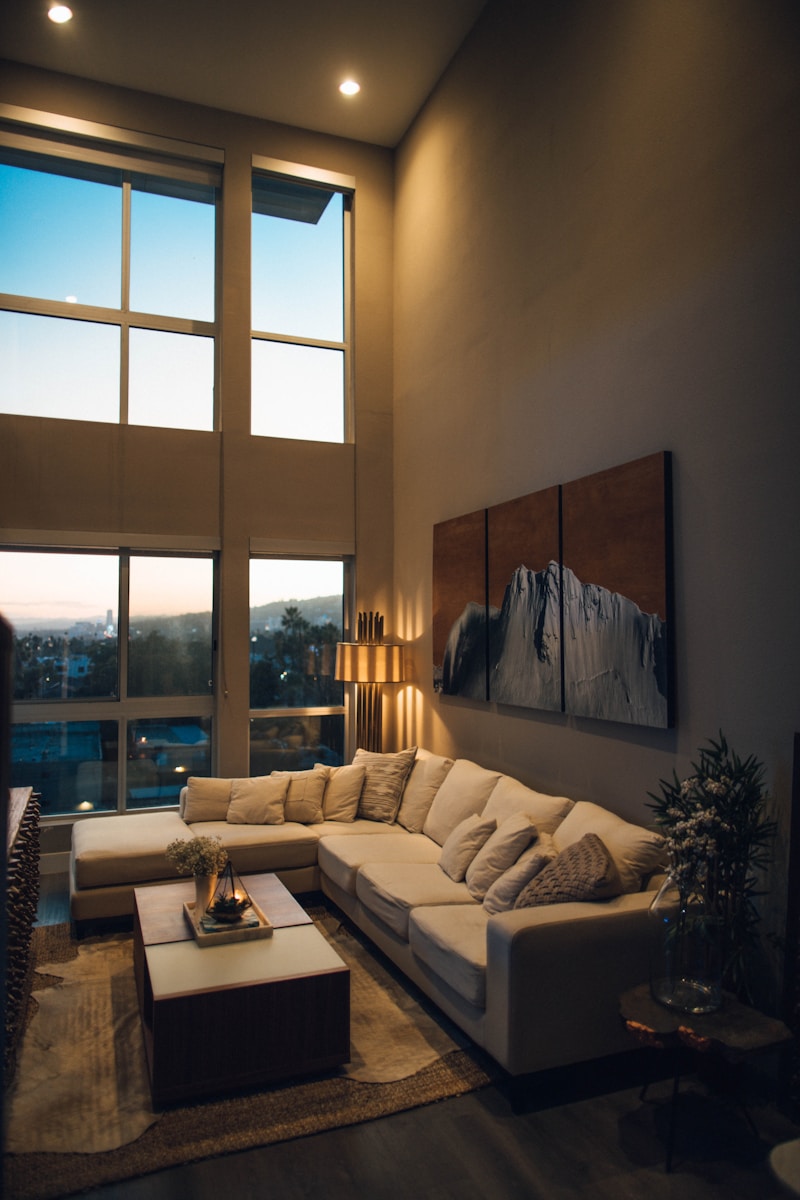
A clean, bright, properly edited photo is the baseline buyers expect in every market.
How to Generate Listings in Real Estate
Better photos win the appointment, but they do not create the appointment on their own. If you want to know how to generate listings in real estate, the answer is a short list of channels that consistently produce seller meetings: referrals and past clients, expired and withdrawn listings, for-sale-by-owner homes, open houses, and online marketing. Agents who reliably close two to three new listings a month usually run three or four of these at once, not one, and they track which channel brought each signed agreement.
What separates the agents who convert these channels from the ones who burn time on them is proof. An expired-listing seller or a FSBO has heard the same pitch from several agents. Your photo portfolio, with a clean before-and-after set and a fast turnaround story, is the visual evidence that you will actually market the home. The same logic applies to real estate content marketing: a market-update post or a listing video generates the lead, and a strong photo standard is what closes it.
That is why how to obtain listings as a real estate agent is not one tactic but a system: a repeatable way to find sellers, a presentation that proves your marketing, and a photo-and-video package you can deliver within 48 hours. For agents who want that proof ready in one click, VideoGuru turns a listing photo set into enhanced, staged images and a branded walkthrough in minutes, so every appointment starts with work you can show instead of promises you can only describe.
What "Better Listing Photos" Actually Means
"Better" is not a higher camera budget. It is a repeatable standard that covers four things:
- Correct exposure and color. White walls should look white, not yellow or blue. Windows should hold detail instead of blowing out.
- Straight, complete shots. Vertical lines straight, rooms captured corner to corner, no chopped doorways or ceiling fans at the frame edge.
- A clean scene. Clutter removed, personal items minimized, furniture looking intentional rather than lived-in.
- Consistency across the set. Every photo in the gallery should look like it was edited by the same hand, in the same style.
Most of these are achieved in editing, not at the shoot. A photographer who shoots wide, well-exposed originals and then applies consistent color correction and cleanup will beat a fancier setup with rushed, inconsistent output. This is exactly where AI photo editing for real estate changed the game for agents: the same correction that used to take an editor an hour now takes minutes.
Present Your Photo Portfolio as the Pitch
When you walk into a listing presentation, lead with before-and-after examples. A single split screen of a dim, cluttered room transformed into a bright, staged space says more than any slide about your marketing reach.
Build a small portfolio of three to five before-and-after pairs from past listings. Keep them local to your market so sellers can picture their own home. If you do not have dramatic examples yet, reshoot and edit one of your own properties, or use a recent listing with the seller's permission.
Walk the seller through the transformation: what the camera captured, what the final buyer saw, and how long the turnaround took. When the turnaround is measured in days instead of weeks, that is a competitive advantage worth stating out loud.
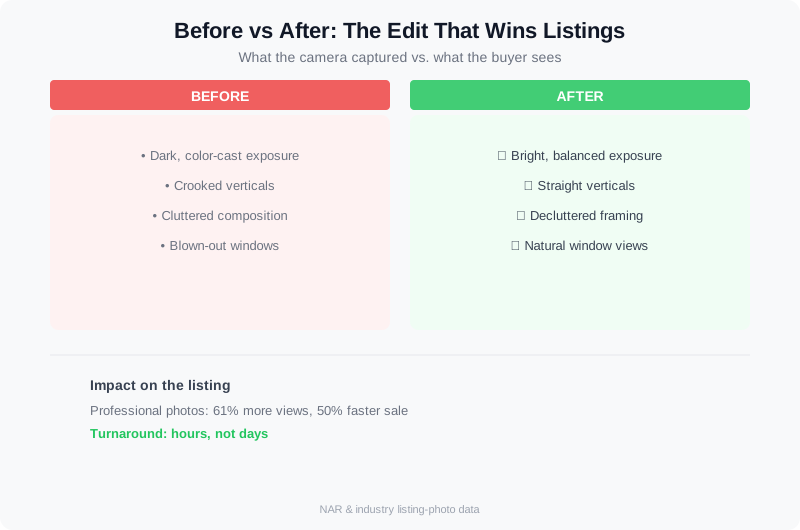
Before-and-after pairs are the most persuasive slide in a listing presentation.
The Listing Photo Checklist Sellers Expect
Sellers rarely know what good photography looks like technically, but they know what it feels like. Use this checklist to set expectations in the presentation and to hold your production accountable after you win the listing:
- Exterior hero shot. The front of the home at the best time of day, straight on, no cars or trash cans in frame.
- Every room, shot wide. Kitchen, living areas, primary suite, bathrooms, and secondary bedrooms, each captured corner to corner.
- Detail shots. Two or three close-ups that give the gallery personality: hardware, built-ins, fireplace, view.
- Virtual staging where it counts. Empty rooms stage far better for buyers than bare floors and echo.
- Video of the same property. Buyers increasingly expect motion. Turning the photo set into a quick video walkthrough multiplies the content you can post.
If you brief a photographer, hand them this checklist in writing. If you edit in-house, treat it as your quality gate before anything goes live. For a ready-made version of this brief, see our agent's pre-shoot checklist.
The First 48 Hours: Why Speed Compounds
Buyer attention on a new listing is not spread evenly across the listing period. It peaks in the first two days. When photos are late, the home's biggest traffic window opens with a weak gallery, or no gallery at all, and the listing never recovers its momentum.
This is the operational part of winning listings: you can promise beautiful photos, but you must deliver them fast. Sellers will forgive a lot if you show them a complete, polished gallery and a video walkthrough within 48 hours of the shoot. They will remember a slow, partial upload for weeks.
Speed is where automation changes the economics. A professional shoot produces 35 to 45 images. Editing that volume by hand takes a full day; with AI-assisted batch editing it takes hours, and the video version is generated from the same assets. That is the difference between "photos in a week" and "photos plus video in two days."
How AI Editing Keeps Quality High Without the Editor's Bill
Traditional photo editing is priced per image, and the bill climbs fast on a 40-image set. AI editing flattens that cost curve: color correction, exposure fixes, sky replacement, decluttering, and virtual staging all run in minutes on every image in the set.
VideoGuru is an AI real estate media platform built for exactly this workflow. On the photo side, one-click tools enhance, declutter, and virtually stage listing photos. On the video side, the same assets become a finished walkthrough with music, captions, and your brand, in under ten minutes. Instead of paying per image for a human editor, you pay a flat rate and keep the turnaround in days.
Beyond winning the listing, this changes what you can promise. "Every listing gets professional photos and a video walkthrough" is a stronger pitch than "every listing gets photos." The photo set is the entry point; the video is the differentiator. If you are deciding where to invest, our guide to photo versus video priority walks through the tradeoffs, and once your photo set exists, turning listing photos into video with AI is the fastest way to add motion content.
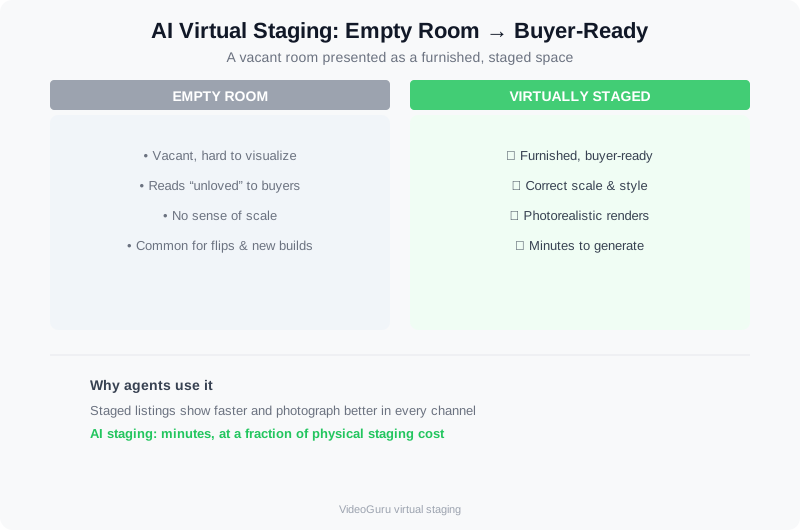
AI virtual staging turns an empty room into a buyer-ready space in minutes.
Why presentation quality moves buyers and sellers.
Frequently Asked Questions
How much do better listing photos actually increase the sale price?
Redfin's analysis of thousands of home sales found professionally photographed homes sold for roughly $3,400 to $11,200 more than comparable listings with amateur photos, and sold about 32% faster. The effect varies by market and price point, but the direction is consistent: quality imagery correlates with higher offers and fewer days on market. NAR's ongoing buyer research reinforces that photos are one of the most important features buyers weigh.
Can I win listings with photos alone, or do I need video too?
Photos are the foundation and the minimum bar in most markets. Video is the differentiator that separates you from other agents at the same photo quality. You do not need a cinematic production for every home, but a 30-to-60-second walkthrough built from the same photo set gives sellers something extra to show friends and family. With AI, that video costs a fraction of a traditional production and takes minutes to generate from the photos you already have.
How do I present photo quality in a listing presentation without sounding boastful?
Show, do not tell. Walk the seller through a before-and-after pair from a recent local listing and state the facts: what was captured, what buyers saw, and how quickly it was delivered. Sellers respond to evidence of your standard of care, not to claims. You can also set expectations by handing them the shot list you will deliver, so the meeting becomes a plan rather than a pitch.
What if I do not have a photographer or a budget for one?
Start with your phone and good light, then fix the rest in editing. Modern AI tools correct exposure, straighten lines, remove clutter, and even stage empty rooms, which closes most of the gap between amateur and professional output. The standard that matters most is consistency: a full set of clean, bright, correctly edited photos beats one spectacular photo surrounded by mediocre ones.
How do you generate listings in real estate without a big budget?
Focus on the channels that cost time rather than money: call expired and withdrawn listings, follow up with past clients, and hold open houses in your farm area. A consistent content habit, such as one market update or neighborhood post a week, compounds into inbound seller calls, and a strong photo portfolio is what turns those calls into signed agreements. Agents who combine three low-cost channels with fast photo-and-video turnaround typically add one to two listings a month within a quarter. See our breakdown of how to make listing videos that get views for the content side.
How do you obtain listings as a real estate agent when you are new?
Lead with proof you can borrow: edit a colleague's or a friend's property into a before-and-after set and use it as your sample portfolio. Sellers do not hire the agent with the most years in business; they hire the agent who can show them their home will look its best online. Pair that portfolio with a consistent local video presence and you can win your first listings within 60 to 90 days. See our guide on building a real estate brand with video for the starter system.
Ready to turn your listing photos into a competitive advantage in every seller meeting? VideoGuru's AI editing tools can enhance, declutter, and virtually stage your photos, then turn the same assets into a branded video walkthrough in minutes. Start for free at VideoGuru.
Final Thoughts
Winning listings is a trust business, and photo quality is the most tangible proof of your standard of care. Buyers rank photos among the most important parts of their search, professional photography measurably lifts sale price and speed, and the first 48 hours of a listing decide its momentum. None of that requires a huge budget anymore. A repeatable photo standard, fast turnaround, and a video walkthrough on top will separate you from every agent still selling with words.